Understanding Box Grades and Material Thickness
Different corrugated grades serve different purposes. Learn how to choose the right thickness for your products without overpaying.
Custom packaging solutions for exporters in Kaunas and across Lithuania
Different corrugated grades serve different purposes. Learn how to choose the right thickness for your products without overpaying.
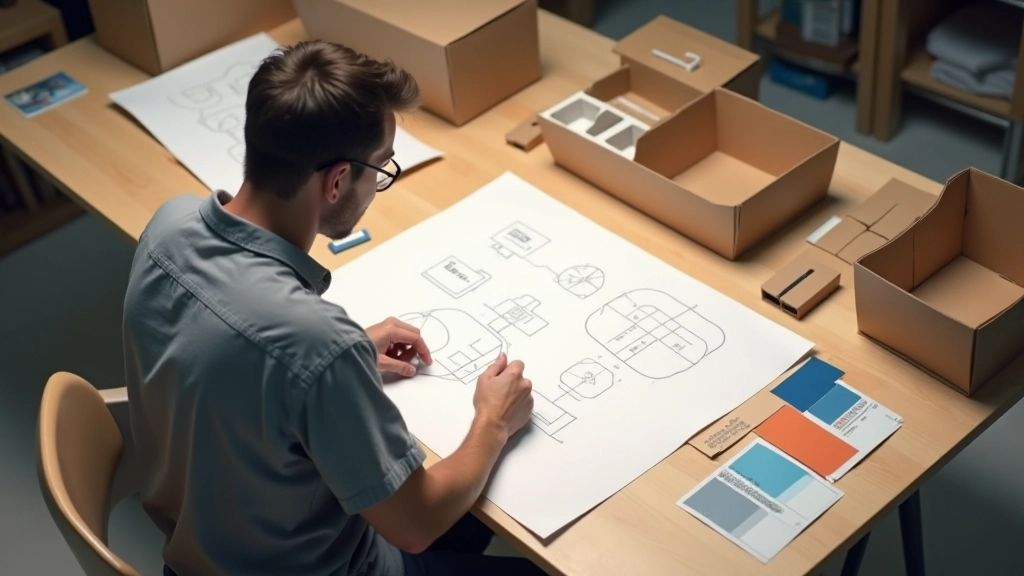
What happens between your design concept and production. We break down each stage of creating custom die-cut packaging.
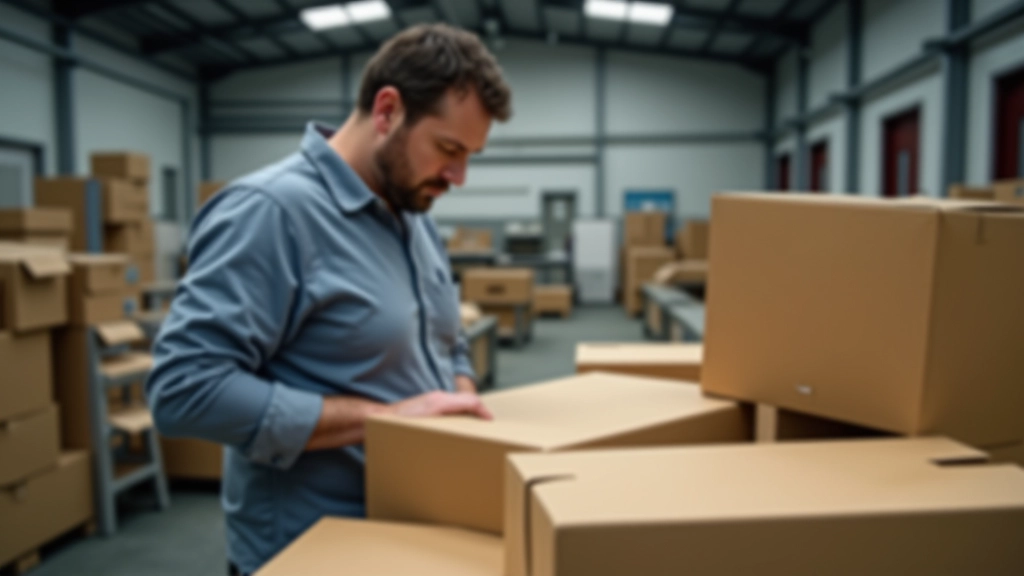
International shipping demands rigorous standards. Here's what exporters need to know about quality control and compliance requirements.
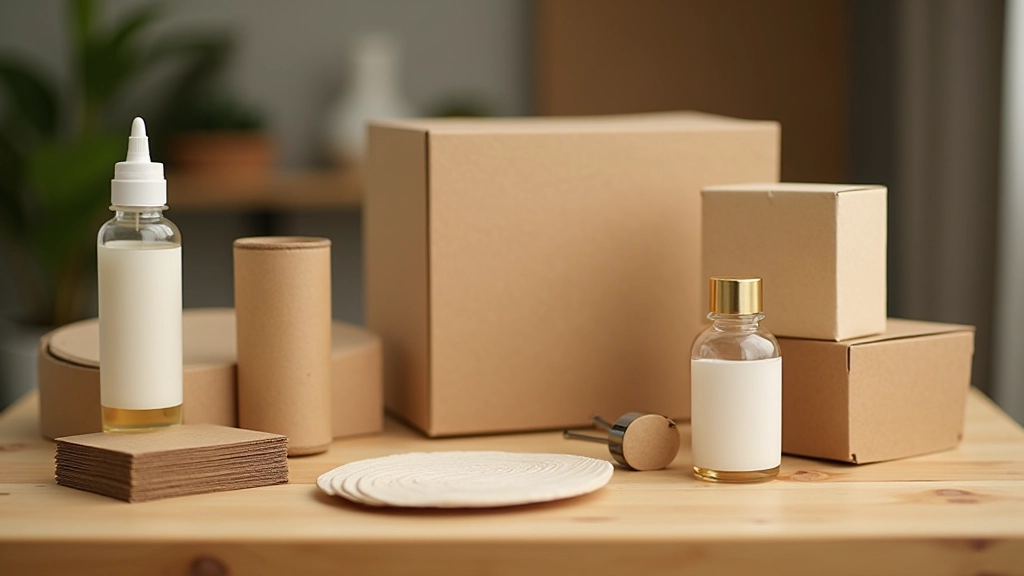
Going green doesn't mean spending more. Learn how to balance sustainability with budget without compromising on durability.
From raw material to finished product — here's what happens in our Kaunas facility
We start with quality corrugated stock. Paper arrives in rolls, gets inspected for defects, and stored in controlled humidity to maintain consistency. Different grades get sorted by strength requirements.
Custom dies cut your specific box dimensions and handle shapes. This is where unique designs come to life — whether you need standard boxes or complex shapes with tabs and inserts.
Multi-color printing applies your branding. We inspect each batch for registration accuracy, ink quality, and structural integrity before boxes move to finishing.
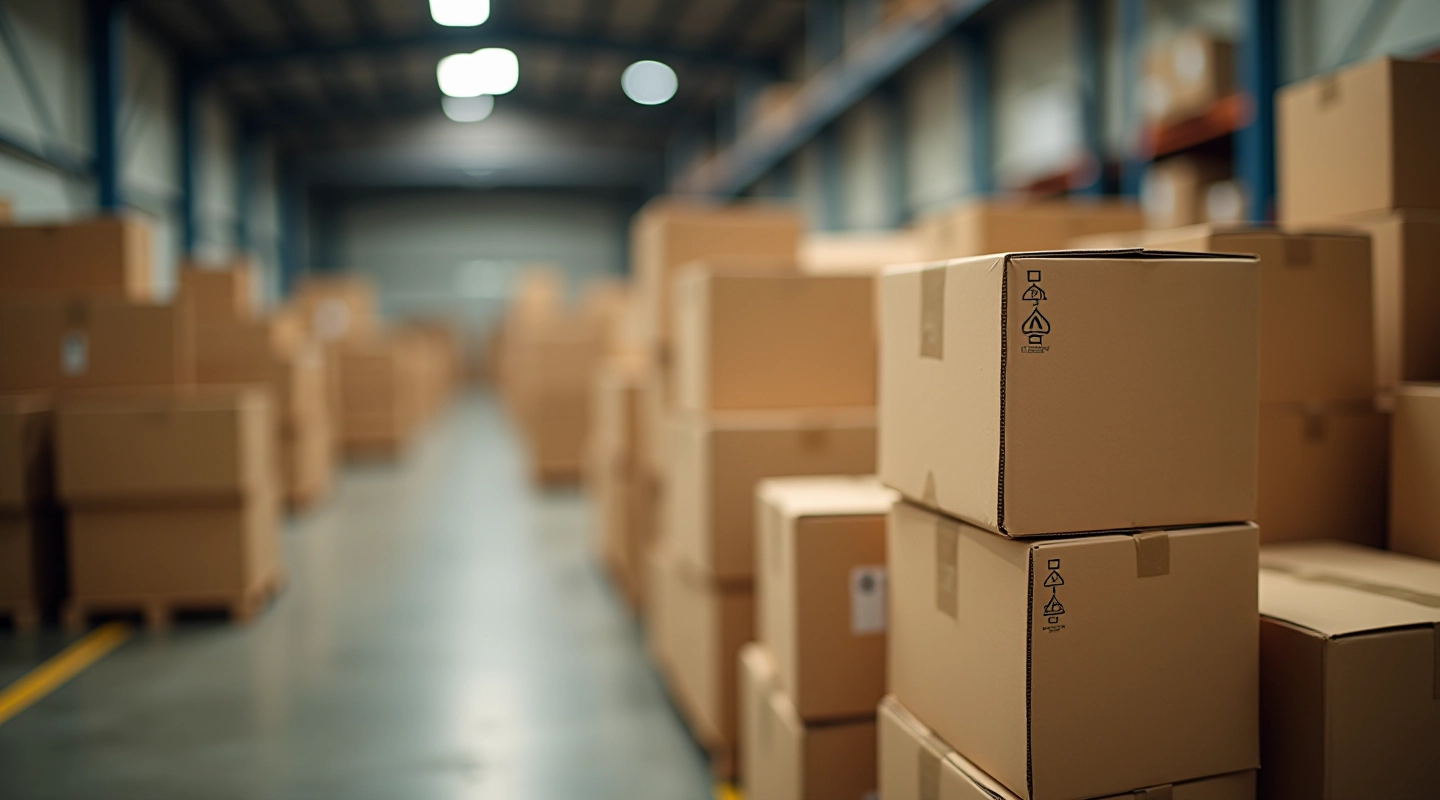
Corrugated cardboard has been the standard for export packaging for good reason. It's lightweight, reducing shipping costs. It's protective, with those fluted layers absorbing impact and compression. It's recyclable — something that matters more to international buyers every year. But here's what many exporters don't realize: not all corrugated is created equal. The flute direction, the paper grade, the adhesive choice — these details determine whether your shipment arrives intact or damaged.
Working with a manufacturer in Kaunas means working with someone who understands Baltic export requirements. We know what customs demands, what shipping routes require, what seasons bring temperature changes that affect packaging performance. We're not guessing about durability or sustainability — we're building boxes specifically designed for the journey your products will take. That's the difference between generic packaging and custom solutions that actually protect your investment.